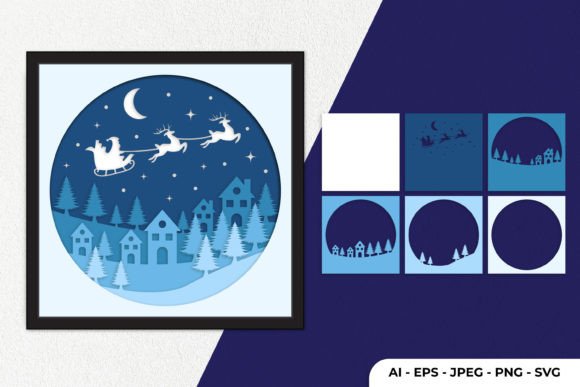
Reviewing 3D Santa in Christmas Layered Papercut for Embroidery
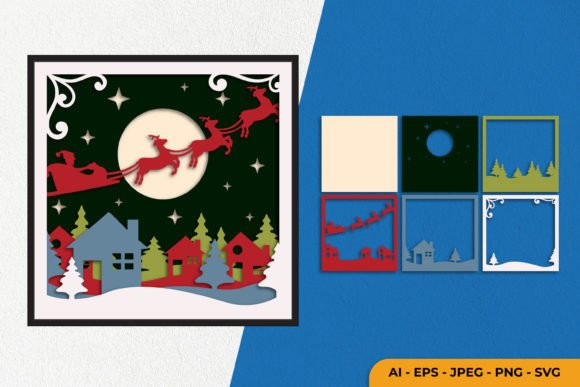
As a designer who spends half my life digitizing and the other half stitching, I have learned that not every popular graphic translates well to thread. When I first encountered 3D Santa in Christmas Layered Papercut, my immediate reaction was one of cautious curiosity. The visual style is distinct—sharp angles, overlapping planes, and a modern, geometric interpretation of a classic holiday figure. It sits firmly in the Crafts and Graphics categories, originally intended for paper crafting. However, the question on every embroidery professional’s mind is simple: can this layered aesthetic survive the needle?
I decided to put this design through its paces, not just as a digital file, but as a potential centerpiece for real-world products. My goal was to determine if it could elevate a handmade product or if it would remain strictly a paper-cutter’s delight. Here is my practical assessment of how this design performs when translated from screen to fabric.
First Impressions and Visual Mood
The mood of 3D Santa in Christmas Layered Papercut is contemporary and crisp. Unlike traditional, soft-edged embroidery motifs, this design relies on hard lines and clear separation between color blocks. For an embroidery project, this is both a blessing and a challenge. The clarity of the shapes means that, if digitized correctly, the final stitched result will have high impact. It does not look like a blurry photograph; it looks like intentional art.
When I visualize this on a tote bag design or a heavy cotton canvas, the geometric nature of Santa’s beard and hat creates a striking shadow effect. This is ideal for customers looking for modern holiday embroidery that breaks away from the vintage or rustic trends dominating the market. It feels fresh, which is a significant selling point for any Etsy seller or small shop product owner trying to stand out during the saturated Christmas season.
Real-World Application: The Sweatshirt Test
To test the viability of this design, I imagined applying it to a custom sweatshirt embroidery project. This is a common request for craft business owners in November and December. The layered papercut style requires precise registration. In embroidery terms, this means we are likely looking at a combination of fill stitch for the larger color blocks and potentially satin stitch borders to define the edges between layers.
If you are using this as a reference for a machine embroidery design, you must pay attention to stitch density. Because the original file is a graphic for cutting machines like Silhouette or Cricut, it does not inherently contain stitch data. You would need to digitize it carefully. If the density is too high on a fleece sweatshirt, the fabric will pucker. If it is too low, the underlying fabric will show through, ruining the "solid" look of the papercut style. I recommend using a cutaway stabilizer to support the weight of the stitches, ensuring the finished product remains flat and professional.
Navigating Fabric and Hoop Constraints
One of the critical aspects of using complex graphics like 3D Santa in Christmas Layered Papercut is understanding where they fail. This design is not suitable for every surface. For instance, attempting this on a curved surface like a cap requires extreme caution. The sharp corners of the geometric layers can cause thread breaks or nesting if the hoop tension is not perfect. Furthermore, on stretchy fabrics, the rigid structure of the design may distort after washing.
I also advise against using this on very thin or delicate fabrics without a strong backing. The visual weight of the design is heavy. On a lightweight silk or thin polyester, the stitches will pull and warp the material. Instead, this design shines on stable, medium-to-heavy weight fabrics like denim, canvas, twill, or felt. These materials provide the necessary structure to hold the sharp lines of the embroidery file intact.
Another consideration is hoop size. To maintain the integrity of the layered look, you need enough space for the design to breathe. Cramping this into a small 4x4 inch hoop might force you to reduce the size to a point where the individual layers merge, losing the 3D effect. Always check the dimensions before committing to a specific garment.
Commercial Viability and Customer Appeal
For commercial embroidery professionals, the appeal of this design lies in its uniqueness. Most clients are tired of the same old snowflakes and script fonts. A geometric Santa offers a premium look that can justify a higher price point. It works exceptionally well for personalized gift items, such as adding a name below the Santa figure in a matching geometric font.
However, transparency is key. Since the source material is listed under Graphics for cutting machines, you must ensure you have the right to use the visual concept for embroidered goods. If you are creating a digital embroidery file to sell, you cannot simply resell the cutting file. You must create your own digitized version. For those making physical items like embroidered patch goods or custom apparel, verify the licensing terms of the original graphic asset. Using unlicensed graphics for commercial sales can lead to serious legal issues for your craft business.
Practical Designer Notes for Execution
Before you launch this design on your website or stitch it for a client, follow these practical steps to ensure quality:
- Test on Scrap Fabric: Never stitch directly on the final garment. Use a similar fabric scrap to test tension and density.
- Check Thread Contrast: The 3D effect relies on subtle shifts in color. Use thread colors that are distinct enough to show separation but harmonious enough to look cohesive. A monochromatic red scheme can look muddy if the shades are too similar.
- Inspect Small Details: Zoom in on the digital preview. Are there tiny islands of color that will be difficult to stitch? These may need to be merged or removed to prevent thread breaks.
- Mockup in Black and White: Convert your design to grayscale to check for value contrast. If the layers disappear in black and white, they will likely get lost in the stitching too.
- Confirm Licensing: Ensure you have commercial rights for the final embroidered item. The description notes these are cutting files, so clarify usage rights for textile applications.
Final Verdict
3D Santa in Christmas Layered Papercut is a visually compelling asset that bridges the gap between modern graphic design and traditional craft. While it originates as a cutting file, its strong geometric structure makes it an excellent candidate for embroidery, provided it is digitized with care. It is not a plug-and-play solution for beginners, but for experienced designers and apparel decorators, it offers a unique opportunity to create standout holiday gifts and boutique merchandise.
By respecting the limitations of fabric texture and stitch density, you can transform this graphic into a high-value design asset. Whether used for a cozy winter pillow cover or a trendy tote bag, this design has the potential to captivate customers who appreciate modern aesthetics. Just remember to prioritize technical precision over speed, and your embroidery project will reflect the professionalism your brand deserves.