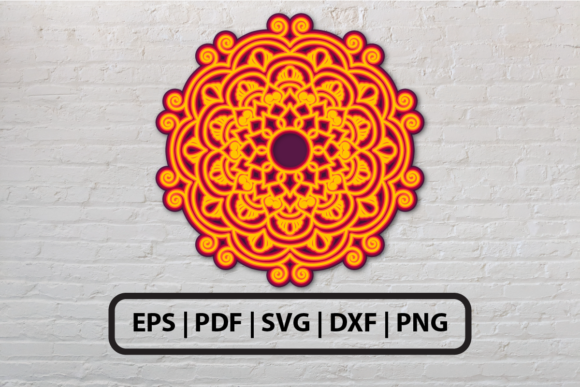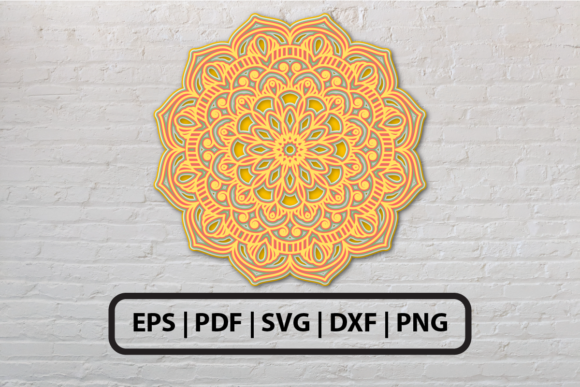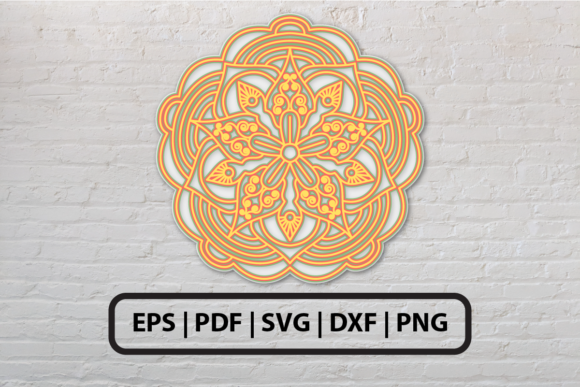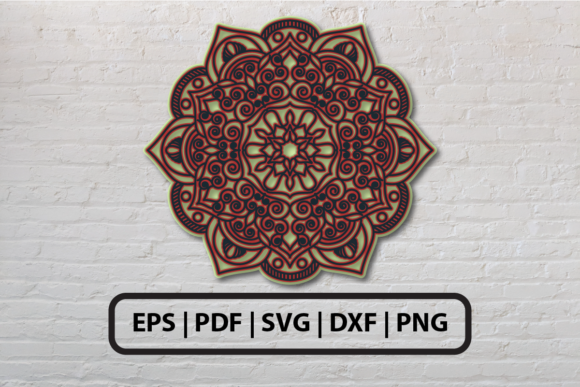
Review: 3D Beautiful Mandala Layered SVG for Embroidery
As a designer who spends half my life digitizing and the other half stitching, I have learned to be skeptical of files that promise "3D" effects without showing the stitch map. However, when I opened the 3D Beautiful Mandala Layered SVG, my initial skepticism turned into genuine curiosity. This is not just another generic geometric pattern; it is a thoughtful piece of Graphics art that translates surprisingly well into the tactile world of Crafts. For embroidery designers, small business owners, and hobbyists alike, understanding how this specific design behaves under the needle is crucial before committing to a client project or a batch of inventory.
First Impressions: Visual Depth and Artistic Intent
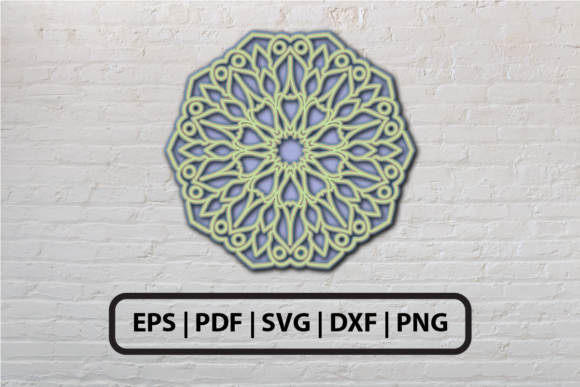
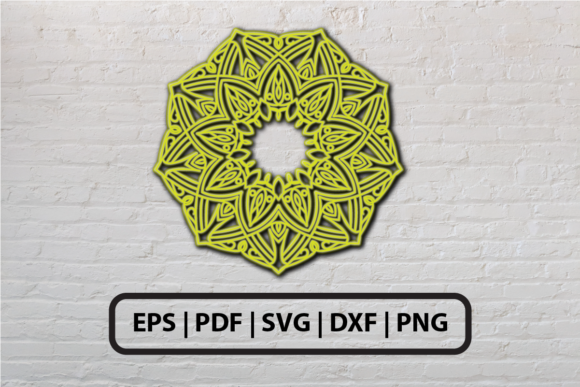
The first thing that strikes you about the 3D Beautiful Mandala Layered SVG is its structural complexity. Unlike flat, single-layer mandalas that can look muddy when stitched out in multiple colors, this design relies on distinct layering to create an illusion of depth. The mood it creates is one of calm sophistication. It feels meditative yet modern, making it versatile enough for both spiritual wellness brands and contemporary home decor lines.
From a visual personality standpoint, the layout is balanced. The symmetry is precise, which is essential for embroidery because any asymmetry in the digital file will be glaringly obvious once stitched. The detail level is high, but it does not cross the line into unmanageable density. For those of us creating design assets for sale, this balance is key. It looks expensive, which helps justify a higher price point for your finished product.
Real-World Application: The Tote Bag Test
To truly evaluate a machine embroidery design, you have to imagine it on a real surface. I recently considered this design for a custom order: a set of canvas tote bags for a local yoga studio. The client wanted something that felt organic but structured. The 3D Beautiful Mandala Layered SVG fit the brief perfectly.
When planning this embroidery project, I visualized the mandala centered on the bag. Because the design uses layers, I could assign different thread weights or textures to each ring of the mandala. For instance, using a matte cotton thread for the inner layers and a slightly shinier rayon for the outer layers enhanced the "3D" effect without needing complex 3D foam techniques. This approach works beautifully for tote bag design projects where durability and aesthetic appeal must coexist. The customer reaction to such a piece is usually one of appreciation for the craftsmanship, as the layered look implies more labor and skill than a simple print.
Versatility Across Product Lines
Beyond tote bags, this design has strong potential in several other areas of commercial embroidery:
- Sweatshirt embroidery: Placed on the back of a hoodie, the mandala becomes a statement piece. The layers allow for a gradient color scheme that follows the contours of the garment.
- Pillow covers: For home decor, the symmetrical nature of the mandala anchors the design nicely on square cushions. It adds a boutique feel to standard linen or cotton covers.
- Personalized gift: While the mandala itself is non-textual, it serves as an excellent frame for initials or names if you have the digitizing skills to add them centrally. This makes it ideal for wedding gifts or nursery decor.
- Embroidered patch: If scaled down correctly, this design can work as an intricate iron-on patch, appealing to the younger demographic interested in bohemian fashion.
Technical Considerations and Stitching Reality
While the visual appeal is high, we must discuss the technical realities. The term "SVG" indicates vector graphics, which are fantastic for cutting machines and digital previews. However, for embroidery, you will need to ensure you have the correct embroidery file format compatible with your machine. The product description notes that you receive EPS, DXF, and JPG files. If you are an embroiderer, you likely already have your preferred digitizing software to convert these vectors into stitch files, or you are using this as a reference for manual digitizing.
Stitch density is a critical factor here. Mandalas can easily become too dense, leading to fabric puckering. When working with the 3D Beautiful Mandala Layered SVG, I recommend checking the density of each layer. If you are digitizing this yourself from the provided vectors, use a combination of satin stitch for the borders and fill stitch for the broader areas. Avoid using solid fills for every layer; instead, consider using step fills or pattern fills to reduce bulk.
Fabric and Stabilizer Choices
The success of this design depends heavily on your material choices. Here is where caution is needed:
- Textured fabrics: On heavy towels or rough linen, the fine details of the inner mandala layers might get lost. Ensure your thread colors contrast sharply with the fabric.
- Stretchy fabric: If applying this to a t-shirt or baby clothes, you must use a cut-away stabilizer. The weight of the multiple layers can distort knit fabrics if not properly supported.
- Dark fabric: The "3D" effect relies on light and shadow. On black fabric, you may need to use lighter thread colors or add an underlay to make the design pop. Test it in black and white mockups first to see if the contrast holds up.
- Curved surfaces: Be careful placing this on caps. The rigid symmetry of a mandala can look distorted on the curved front panel of a hat unless the design is small and centered precisely.
Enhancing Brand Value and Customer Trust
For Etsy sellers and small shop product creators, the quality of your design directly impacts your brand consistency. Using a high-quality, layered design like the 3D Beautiful Mandala Layered SVG signals professionalism. It shows that you care about the intricacy of your handmade product. When customers see clean lines and thoughtful color transitions, their trust in your brand increases. This is particularly important for custom apparel and holiday embroidery items, where buyers are often looking for unique, non-mass-produced items.
Moreover, this design serves as an excellent printable mockup asset. Since you receive a high-quality JPG, you can use it in your online listings to show customers what the final design looks like before you even stitch it. This reduces hesitation and can improve conversion rates for your craft business.
Practical Designer Notes for Best Results
Before you run this design on your main production machine, follow these practical steps:
- Test on scrap fabric: Always stitch out a test sample on the same type of fabric you intend to use for the final product. Check for puckering or thread breaks.
- Check thread color contrast: The layered effect works best when adjacent layers have distinct values (light vs. dark). Avoid using similar shades next to each other unless you are aiming for a subtle, monochromatic look.
- Confirm hoop size: Ensure the design fits within your available hoop size. If the mandala is large, you may need to split it or reduce the scale, keeping in mind that reducing scale too much can merge small details.
- Inspect small details: Zoom in on the digital file. Are the innermost lines too thin to stitch? You may need to simplify the innermost layer if you are digitizing it yourself.
- Licensing check: Always confirm the license terms before selling finished items. While this article reviews the design's usability, legal clearance for commercial embroidery is your responsibility.
In conclusion, the 3D Beautiful Mandala Layered SVG is a robust choice for designers looking to add depth and elegance to their portfolio. It requires thoughtful execution regarding stabilizer and thread choice, but the payoff is a sophisticated embroidered patch or garment detail that stands out in a crowded market. Whether you are creating baby embroidery for a boutique or apron designs for a kitchenware brand, this design offers the flexibility and visual impact needed for professional results.