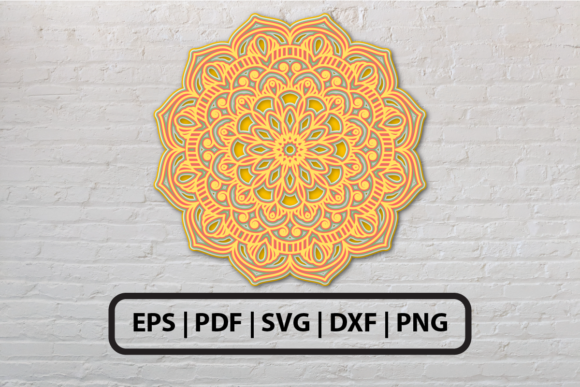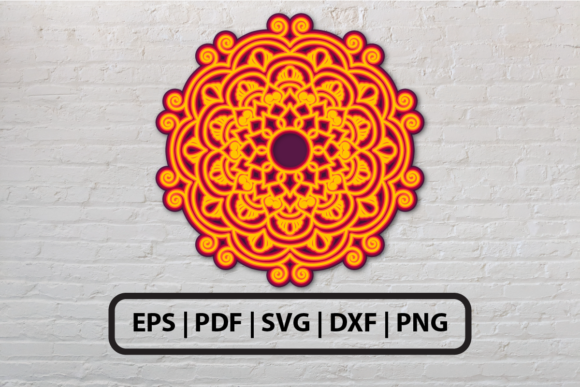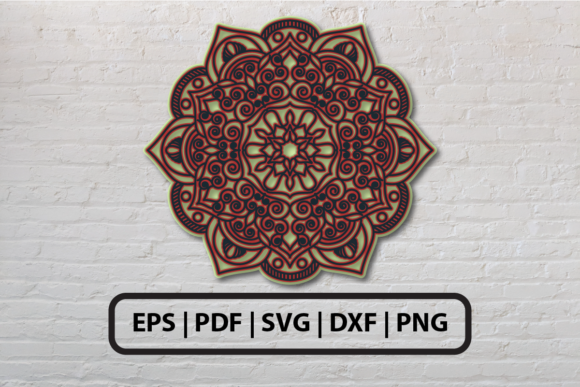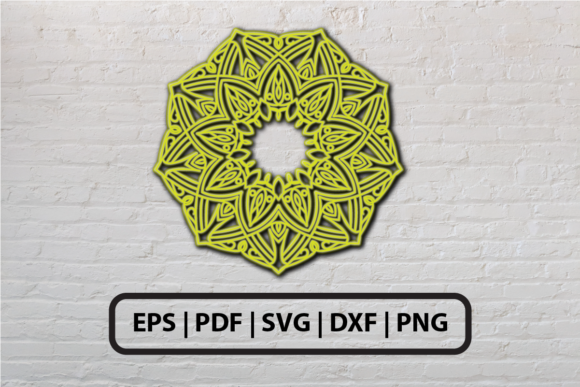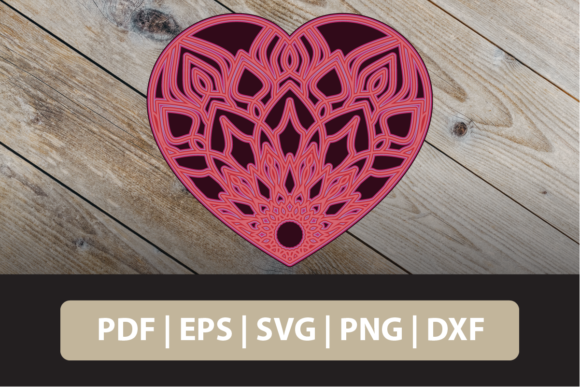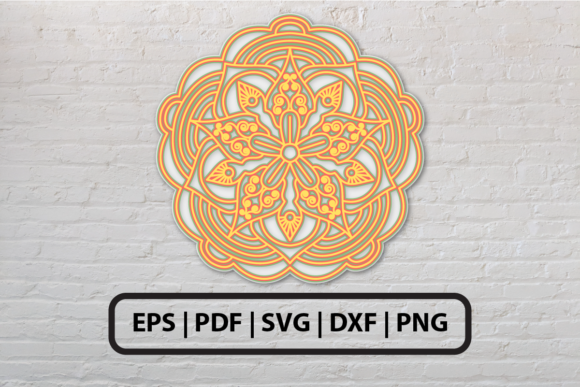
Reviewing 3D Mandala Multi Layered SVG 2 for Embroidery
As a designer who has spent countless hours digitizing and testing patterns, I approach every new machine embroidery design with a mix of curiosity and skepticism. We have all been there: downloading a beautiful preview image only to find the actual embroidery file is a nightmare of excessive jump stitches or poor density management. That is why I took a close, practical look at 3D Mandala Multi Layered SVG 2. This is not just about aesthetics; it is about how this graphic translates into thread on real fabric.
The first thing that strikes you about 3D Mandala Multi Layered SVG 2 is its structural complexity. Mandalas are inherently symmetrical and meditative, but adding a "3D" or multi-layered aspect introduces a challenge for any embroiderer. The design relies on layering to create depth, which means your choice of thread colors and stitch types will make or break the final look. In my initial assessment, the lines are clean, and the geometry holds up well in the vector format. For those of us working in Crafts and digital Graphics, having a scalable vector means we can resize without losing edge definition, a crucial feature for custom work.
Real-World Application: The Tote Bag Test
To truly evaluate a design, you must imagine it stitched out. I visualized using 3D Mandala Multi Layered SVG 2 on a heavy canvas tote bag. This is a popular item for Etsy sellers and small shop product lines. The mandala’s circular nature fits perfectly in a standard 5x7 or 6x10 hoop, allowing for a bold central statement. However, because this is a multi-layered design, I would recommend using a cut-away stabilizer. Canvas is stable, but the weight of multiple layers of thread can cause puckering if the backing is insufficient.
In this scenario, the "3D" effect would be achieved not through actual raised foam, but through strategic color blocking. By using varying shades of the same hue—say, three tones of teal—you can mimic depth. The outer rings could be a lighter satin or running stitch, while the inner core uses a denser fill. This approach turns a flat digital embroidery file into a textured handmade product that feels premium. Customers touching this finished product would appreciate the tactile difference between the smooth fabric and the intricate stitching.
Versatility Across Apparel and Home Decor
Beyond tote bags, where else does this design shine? I see strong potential in sweatshirt embroidery. A crewneck sweatshirt provides a large, flat surface area ideal for a medium-to-large mandala. Here, the design acts as a focal point. If you are creating custom apparel for a boutique, consider placing a smaller version on the left chest. This requires careful attention to detail, as shrinking a complex mandala can lead to thread breaks or lost definition. Always check the minimum viable size before committing to a production run.
For baby embroidery projects, such as a muslin swaddle or a onesie, caution is key. Babies have sensitive skin, and dense stitching can feel scratchy. If you use 3D Mandala Multi Layered SVG 2 for infant items, I advise using soft rayon threads and ensuring the back of the embroidery is covered with a soft iron-on backing. Alternatively, use the design as an applique design base. You could stitch the outline, place a contrasting fabric patch, and then stitch the detailed layers over it. This reduces stitch count and adds a charming, quilted aesthetic that parents love for personalized gift items.
Home decor offers another lucrative avenue. Imagine this mandala stitched onto a linen pillow cover or a kitchen tea towel. For a holiday embroidery theme, you could swap traditional colors for festive reds and greens, creating a unique seasonal decoration. The symmetry of the mandala lends itself well to formal settings, making it suitable for wedding gifts or housewarming presents. As a craft business owner, offering these as made-to-order items allows you to charge a premium for the customization and labor involved.
Technical Considerations and Pitfalls
While 3D Mandala Multi Layered SVG 2 is visually striking, it is not without its technical demands. The term "multi-layered" implies overlapping elements. In embroidery, this means you must manage your thread trims and jump stitches carefully. If you are using a single-needle machine, be prepared for frequent stops to trim threads, or use a software tool to optimize the stitch path. Excessive jump stitches can ruin the clean look of a mandala, especially on light-colored fabrics where dark threads might show through.
Fabric texture plays a significant role here. On textured fabrics like terry cloth or fleece, fine details may get lost. This design works best on smooth, tightly woven materials like cotton, polyester blends, or linen. Avoid using it on stretchy knits unless you have excellent stabilization skills, as the hoop tension can distort the circular shape. Additionally, be mindful of hoop size limitations. If you attempt to scale the design beyond your hoop’s capacity and stitch it in parts, aligning the segments of a mandala is notoriously difficult. It is better to keep the design within a single hooping area whenever possible.
Another critical factor is stitch density. Multi-layered designs can become bulky. If the digitizer has packed too many stitches into a small area, the fabric may pucker, or the needle may break. Before running a full production batch, always stitch out a test sample on scrap fabric identical to your final material. Check the back of the embroidery for excessive buildup. If it feels stiff or heavy, consider reducing the density in your editing software or choosing a simpler section of the design for smaller items like embroidered patch creations.
Commercial Value and Brand Consistency
For commercial embroidery professionals, the quality of your design assets directly impacts your brand reputation. Using a high-quality SVG like 3D Mandala Multi Layered SVG 2 signals professionalism. When customers see crisp, well-aligned stitching, they trust the maker. This trust translates into repeat business and positive reviews. Furthermore, having the files in multiple formats—EPS, DXF, and PNG—adds versatility. The PNG is useful for creating printable mockup images for your online store, allowing you to showcase the design on various products before you even stitch a single thread.
However, always verify the licensing terms. Just because you purchase a design asset does not automatically grant you the right to resell the digital file itself. Typically, you are licensed to sell the physical finished product, such as the embroidered shirt or bag. Clarify this with the seller to protect your craft business from legal issues. Transparency with your customers about the handmade nature of your items also enhances value. Share behind-the-scenes photos of the stitching process; showing the complexity of the mandala helps justify the price point.
Final Verdict for Designers
In conclusion, 3D Mandala Multi Layered SVG 2 is a robust addition to any designer’s library, provided you respect its complexity. It is not a "quick and easy" fill-in design; it requires thought regarding color theory, fabric choice, and stabilization. But for those willing to put in the prep work, the results are stunning. It elevates simple items like tote bags and sweatshirts into artisanal pieces. Whether you are an experienced Etsy seller looking to expand your catalog or a hobbyist wanting to challenge your skills, this design offers a rewarding embroidery project. Just remember to test, stabilize, and stitch with intention.