Reviewing 3D Mandala Multi Layered SVG 5 for Embroidery
As a designer who has spent countless hours digitizing patterns and testing them on everything from stiff denim to delicate baby knits, I approach every new machine embroidery design with a mix of curiosity and skepticism. We have all been there: you download a beautiful graphic, load it into your software, and realize the stitch path is a nightmare or the details are too fine for actual thread. That is why I took a close look at 3D Mandala Multi Layered SVG 5 to see if it holds up in real-world applications.
This isn’t just about whether the image looks pretty on a screen. It is about how this specific embroidery file translates into a tangible handmade product. For Etsy sellers, craft business owners, and hobbyists, the difference between a design that sells and one that sits in a folder forever often comes down to practical usability. Let’s break down how this mandala performs when it hits the fabric.
First Impressions and Visual Personality
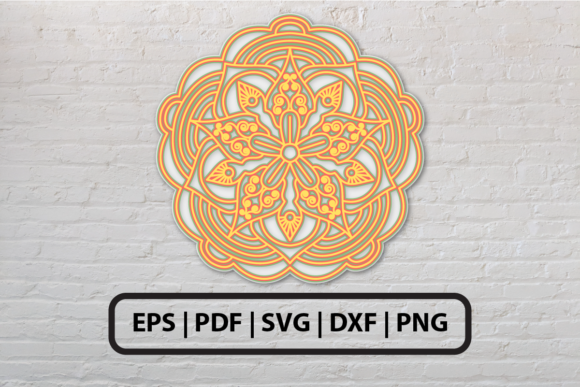
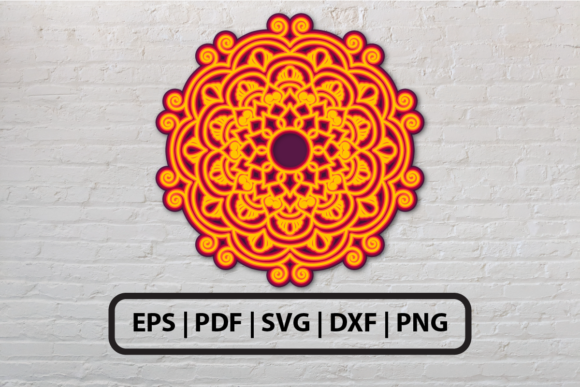
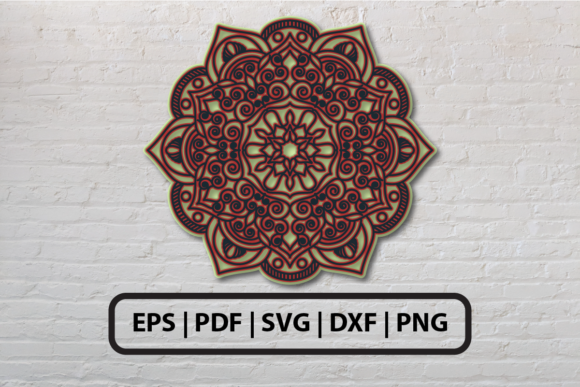
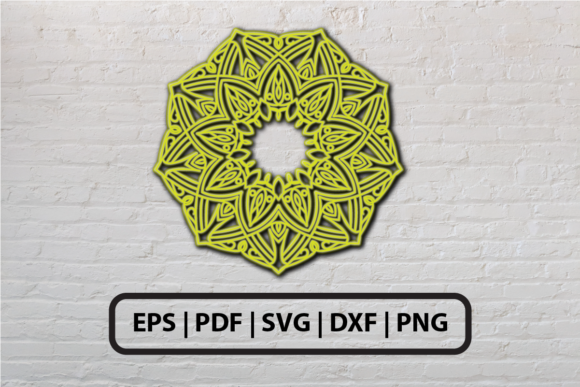
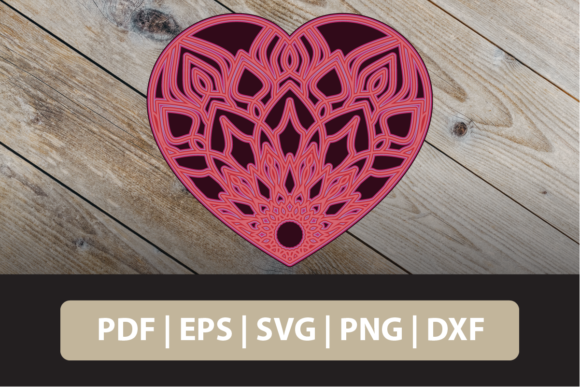
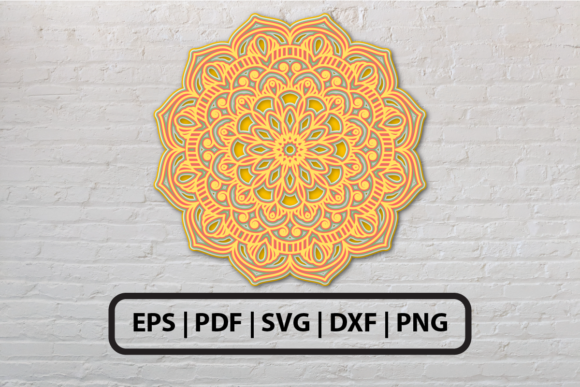
The first thing that strikes me about 3D Mandala Multi Layered SVG 5 is its structural complexity. Mandalas are tricky in embroidery because they rely heavily on symmetry and radial balance. If the digitizing is off, the center can shift, or the outer layers can become distorted. This design, however, presents a clean, layered aesthetic that suggests depth without requiring excessive bulk.
The "multi-layered" aspect is key here. In a digital Graphics context, this means you have distinct elements that can be colored differently. For an embroiderer, this offers flexibility. You aren’t stuck with a single-color satin stitch outline. You can play with thread colors to create contrast between the inner geometric shapes and the outer floral or petal-like extensions. The mood is calm yet intricate, making it suitable for projects that need a touch of sophistication without being overly loud.
Real-World Application: The Tote Bag Test
To truly evaluate a design, I imagine it on a specific product. Let’s say I am preparing a custom order for a local boutique: a set of canvas tote bag design prototypes. Canvas is a forgiving fabric, but it has a visible weave. I loaded the 3D Mandala Multi Layered SVG 5 into my digitizing software to check the scale.
For a tote bag, I would likely size this to fit a 5x7 or 6x10 hoop. The layered nature of the mandala allows for a interesting technique: using a fill stitch for the broader background layers and a tighter satin or running stitch for the finer details. This variation in stitch type prevents the design from looking like a flat blob of thread. When stitched out, the separation between layers gives the illusion of dimension, living up to the "3D" name in the title. Customers love this kind of visual texture because it signals quality and effort, increasing the perceived value of the finished product.
Versatility Across Apparel and Home Decor
Beyond totes, where does this design shine? I see strong potential in sweatshirt embroidery. A crewneck sweatshirt provides a large, stable surface area. Placing this mandala on the upper back or centered on the chest creates a statement piece. Because the design is symmetrical, it feels balanced and intentional, which is crucial for custom apparel.
It also works well for holiday embroidery gifts. Imagine this stitched onto a linen tea towel or a pillow cover. The circular shape fits naturally within square or rectangular home decor items. For baby embroidery, I would exercise caution. While the shape is gentle, the detail level might be too high for small items unless scaled down significantly. If you do use it for baby clothes, ensure you simplify the color palette to soft pastels and verify that the stitch density isn’t too harsh for sensitive skin.
Technical Considerations and Fabric Choices
Here is where experience matters. Not every fabric will treat 3D Mandala Multi Layered SVG 5 kindly. Because this is a detailed Crafts asset, you need to be mindful of fabric texture and stability.
- Stabilizer is non-negotiable: With multiple layers, there is a risk of puckering if the fabric isn’t properly supported. Use a cut-away stabilizer for stretchy fabrics like jersey or fleece, and a tear-away for woven cottons.
- Watch the density: If the design has overlapping fill stitch areas, the fabric can become stiff. I recommend checking the stitch count in your software before hooping. If it feels too dense, consider removing one of the inner layers to reduce bulk.
- Curved surfaces: Stitching this on a cap or hat requires careful hooping. The radial symmetry must align perfectly with the center seam, or the design will look crooked. This is not a beginner-friendly placement for curved items.
- Dark fabrics: If stitching on black or navy, ensure your thread colors have enough contrast. A dark thread on dark fabric will hide the beautiful layering effect.
File Formats and Workflow Integration
One practical advantage of this product is the file variety. You receive a ZIP folder containing EPS, DXF, and high-quality PNG files. For those of us who work across different platforms, this is helpful. The EPS and DXF files are vector-based, meaning you can scale them infinitely without losing quality before converting them into machine-readable formats. The PNG is excellent for creating printable mockup images for your online store.
However, a note of caution: these are design assets, not necessarily ready-to-stitch machine files like PES or DST. You will need embroidery software to convert these vectors into stitch files. This is actually a benefit for professional designers because it allows you to control the stitch types, underlay, and density yourself. You can tailor the digital embroidery file to match your specific machine’s capabilities.
Commercial Use and Brand Consistency
For small shop product lines, consistency is key. Using a cohesive design like 3D Mandala Multi Layered SVG 5 can help build brand recognition. If you specialize in bohemian or spiritual-themed goods, this mandala fits seamlessly into that aesthetic. It enhances buyer engagement because it looks professional and thoughtfully created.
Before selling any personalized gift or commercial embroidery item, always double-check the licensing terms provided by the seller. While many SVGs allow for commercial use of finished physical items, rules vary. Ensure you are compliant to protect your business.
Final Verdict for Designers
In my assessment, 3D Mandala Multi Layered SVG 5 is a robust addition to a designer’s library. It is not a plug-and-play solution for absolute beginners who lack digitizing software, but for those who understand how to manipulate vectors and manage stitch density, it offers great creative freedom. It performs best on stable, medium-weight fabrics where the layers can breathe. Whether you are making an embroidered patch, a custom apron, or a boutique pillow, this design provides the structural integrity needed for a high-quality result. Just remember to test on scrap fabric first, adjust your tension, and let the layers do the work.