Reviewing the Valentine 3D Couple Paper Cut SVG
As a designer who spends half my life digitizing patterns and the other half stitching them out, I approach every new file with a healthy dose of skepticism. We have all been there: you download a machine embroidery design that looks pristine on the screen, only to find it turns into a tangled mess of thread breaks and puckering once it hits the fabric. Today, I am taking a close look at the Valentine 3d Couple Paper Cut SVG File. While this asset is marketed primarily for laser cutting and CNC routing within the Crafts and Graphics categories, its layered aesthetic offers a unique challenge and opportunity for us in the embroidery world.
The Visual First Impression
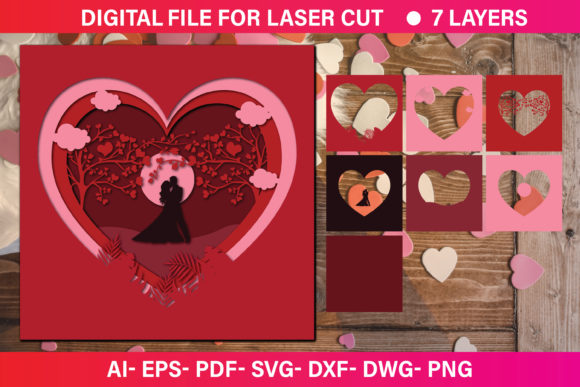
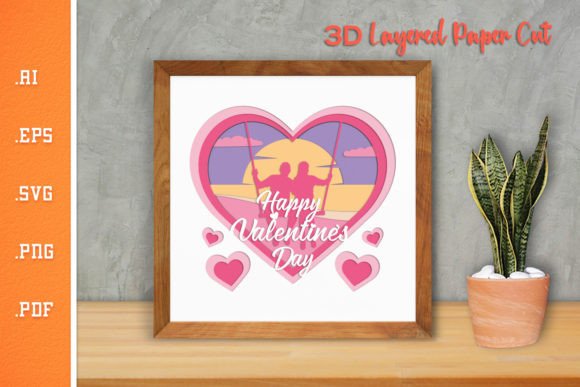
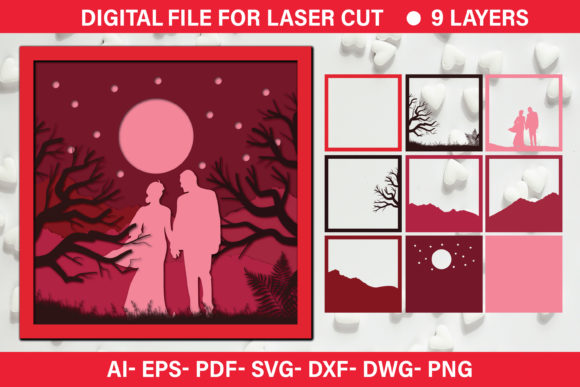
The first thing that strikes me about this design is its depth. The "paper cut" style relies on distinct layers to create a shadow-box effect, which translates visually into a very clean, graphic look. For a Valentine’s theme, it avoids the overly saccharine clichés we often see. Instead, it presents a modern, silhouette-based couple that feels intimate yet stylish. The mood is romantic but grounded, making it suitable for a wider demographic than just traditional holiday decor.
From a layout perspective, the shapes are bold. This is crucial. In embroidery, fine details often get lost or require such high stitch counts that the fabric becomes stiff. The broad, sweeping curves of this paper-cut style suggest that if adapted correctly, it could result in a smooth, professional finish. However, because this is originally an embroidery file alternative meant for cutting, we must consider how these solid shapes translate to thread.
Real-World Application: The Custom Tote Scenario
To truly evaluate this design, I imagined a real-life client project. Let’s say a local boutique owner wants a line of reusable canvas tote bags for February. She needs something that screams "gift-ready" but isn't so specific that it can’t be sold after Valentine’s Day if it doesn’t sell out immediately. The Valentine 3d Couple Paper Cut SVG File fits this brief perfectly.
Imagine this design stitched onto a natural cotton canvas tote. The layered look of the paper cut style can be mimicked using different thread textures or densities. A satin stitch border around the outer edges would define the shape sharply, while a lighter fill stitch inside the layers could provide coverage without adding excessive bulk. The contrast between the thread and the canvas would make the couple pop, creating a high-value handmade product that feels artisanal rather than mass-produced.
This same logic applies to sweatshirt embroidery. On a heather grey fleece, the design’s clean lines would stand out beautifully. It is not too dense, which is vital for comfortable apparel. Nobody wants a heavy, cardboard-like patch of stitches on their chest. By keeping the internal detailing minimal and relying on the strength of the silhouette, this design maintains the softness of the garment while delivering a strong visual impact.
Navigating Technical Challenges
Here is where my experience as a reviewer comes into play. Since this file is optimized for laser cutters and CNC routers, it is likely composed of vector paths rather than pre-digitized stitch data. If you are purchasing this as a graphic asset to convert into an applique design or a standard embroidery pattern, you need to be careful. You cannot simply import an SVG into your embroidery software and expect magic.
You must consider stitch density. Paper cuts have sharp corners and intricate overlaps. In embroidery, sharp corners are prone to thread breaks if not underlaid properly. You will need to add sufficient stabilization. For a project like this, I recommend a cut-away stabilizer for garments that will be washed frequently, such as baby embroidery items or custom apparel. For home decor like pillow covers, a tear-away might suffice, but test it first.
Another critical factor is the hoop size. The layered nature of the design means it might be larger than it appears. Ensure your machine’s hoop can accommodate the full width and height without needing to re-hoop, which can lead to alignment issues. If you are working on smaller items like caps or curved surfaces, you may need to scale the design down. Be cautious here: scaling down too much can cause the stitches to merge, losing that crisp "cut paper" definition.
Fabric and Thread Considerations
The success of this design hinges on contrast. Because the shapes are solid, your choice of thread colors is paramount. On dark fabrics, a light, vibrant thread will highlight the layers. On light fabrics, a deep, rich color will provide the necessary definition. I always advise running a test on scrap fabric first. Check how the running stitch underlay interacts with your specific fabric texture. Delicate silks or stretchy knits may require additional topping or stabilizer to prevent the design from sinking into the pile or distorting the fabric.
If you are creating an embroidered patch, this design is excellent. The bold outlines hold up well to the merrow edge finishing often used in patches. It creates a durable, professional-looking accessory that can be ironed onto jackets, bags, or hats, extending the life and versatility of your small shop product.
Commercial Viability and Branding
For Etsy sellers and creative entrepreneurs, the visual appeal of this design translates directly to customer trust. A clean, well-executed embroidery project signals professionalism. When customers see a crisp, layered design on a personalized gift, they perceive higher value. This design allows for versatility in your design assets library. It can be used for holiday embroidery promotions, wedding gifts, or even anniversary merchandise.
However, always verify the licensing. Since this is a digital product intended for cutting machines, ensure that your use case for commercial embroidery is permitted. Some creators restrict the use of their SVGs for physical goods if they are not specifically sold as embroidery files. Clarifying this upfront protects your craft business from potential intellectual property issues.
Final Designer Notes
Before you commit to a large batch of finished product runs, take these practical steps:
- Test on Scrap: Always stitch out a sample on the exact fabric you plan to use. Check for puckering or thread breaks.
- Check Contrast: View your design in black and white. If the layers disappear, you need more contrast between your thread and fabric.
- Verify Details: Look closely at the smallest elements. If they are thinner than your needle width, they will not stitch out correctly.
- Stabilize Properly: Match your stabilizer to your fabric weight. Do not skimp on this step.
- Confirm Licensing: Read the terms of use for the ZIP folder contents to ensure commercial embroidery rights are included.
The Valentine 3d Couple Paper Cut SVG File is a versatile graphic asset that, with careful digitizing or applique adaptation, can elevate your embroidery projects. It offers a modern, clean aesthetic that appeals to contemporary buyers. By respecting the technical limitations of embroidery and leveraging the design’s strong visual structure, you can create stunning tote bag designs, apparel, and decor that stand out in a crowded market. It is not just a file; it is a foundation for a high-quality embroidery project that balances artistic flair with practical craftsmanship.