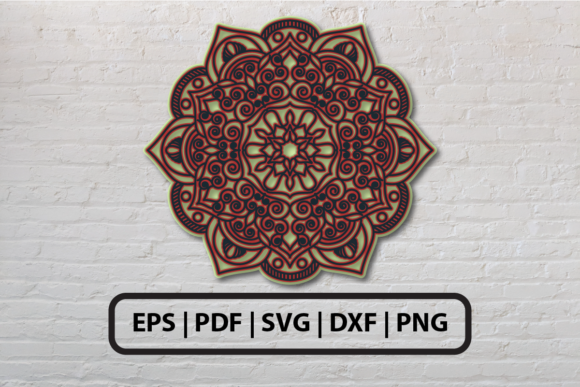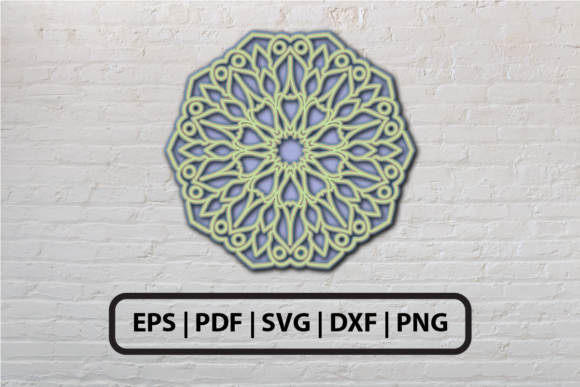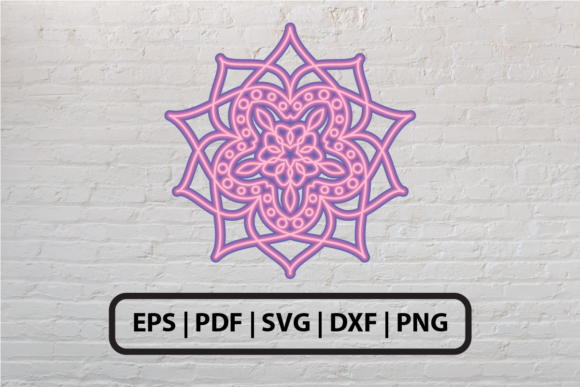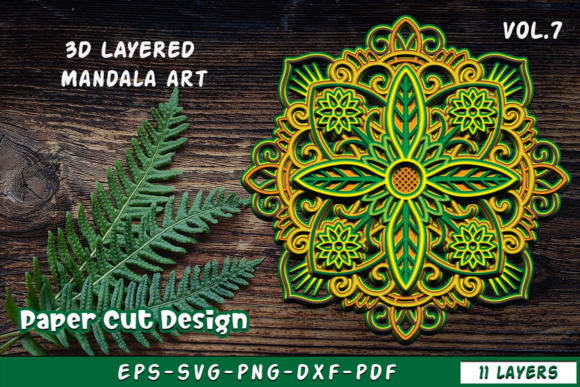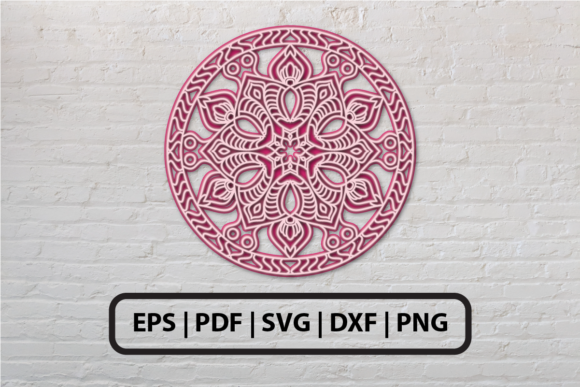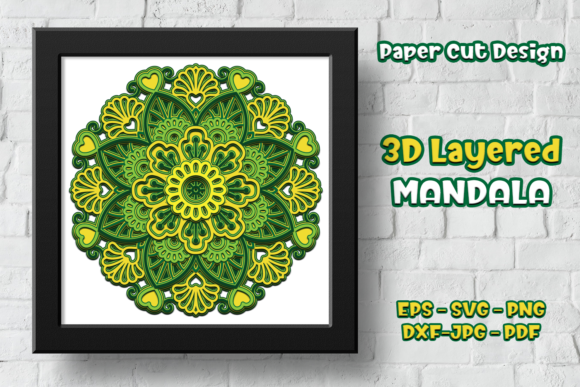
Mandala Art 3D Layered Graphics for Crafts
As a digital publisher and blog designer, I have spent years curating visual assets that do more than just fill space. Every image on a website serves a strategic purpose, from establishing brand identity to driving click-through rates. Recently, I integrated Mandala Art 3D Layered Mandala Art into a content workflow for a lifestyle and wellness niche site. The goal was to elevate the editorial design without overwhelming the reader. What I found was a versatile graphic design asset that bridges the gap between artistic expression and functional web design.
The first impression of this collection is one of depth and precision. Unlike flat vector illustrations that can sometimes feel sterile, these layered designs offer a tactile quality that translates beautifully to screen. The mood is distinctly artistic yet grounded, making it ideal for niches that value mindfulness, creativity, and detailed craftsmanship. It feels both modern and timeless, avoiding the trap of looking like a fleeting trend. For publishers, this means the asset has longevity. You are not just buying a image for a single post; you are investing in a visual language that can support your brand identity for months or even years.
Elevating Editorial Design with Layered Depth
In the world of content marketing, visual hierarchy is everything. Readers scan pages quickly, and their eyes are drawn to contrast and complexity. The 3D effect in Mandala Art 3D Layered Mandala Art provides natural focal points. When used as a website header or a hero image, it commands attention without requiring aggressive colors or loud typography. I tested these files as background elements for article headers, lowering the opacity to create a subtle watermark effect. The result was a sophisticated layout that felt custom-designed rather than template-based.
This asset shines particularly bright in the Crafts and DIY sectors. If you are running a blog about paper crafting, digital planning, or home decor, these mandalas resonate with your audience’s interests. They signal quality and attention to detail. However, their utility extends beyond hobbyist blogs. I have successfully used similar layered graphics for affiliate marketing visuals, where trust is paramount. A polished, professional look suggests that the reviewer knows their stuff, thereby increasing the likelihood of conversion.
Practical Applications for Digital Publishers
The versatility of this digital download is its strongest selling point. Upon extraction, you receive eleven SVG files, including a comprehensive file containing all ten individual layers. This structure is a gift for designers who use tools like Canva, Adobe Illustrator, or Figma. Here is how I deployed these assets across various publishing channels:
- Pinterest Pins: The vertical nature of many mandala compositions works perfectly for Pinterest. I layered the SVGs over solid pastel backgrounds, added bold sans-serif headlines, and created pins that stood out in a crowded feed. The intricate details encourage users to stop scrolling and click through.
- Lead Magnets and Digital Guides: I used the layered elements to design covers for eBooks and worksheets. The 3D effect adds a premium feel to freebies, making them appear more valuable. This is crucial for building an email list, as the perceived value of your lead magnet directly impacts sign-up rates.
- Newsletter Graphics: In email marketing, file size and load speed are critical. SVGs are inherently lightweight and scalable. I embedded these mandalas as section dividers in my weekly newsletter. They broke up text-heavy content and added a touch of elegance without slowing down the email client.
- Social Media Graphics: For Instagram and Facebook, I isolated specific layers to create profile icons and story highlights. The consistency of using the same design family across platforms strengthens small business branding and makes your content instantly recognizable.
Navigating Technical and Licensing Considerations
While the aesthetic appeal is high, practical implementation requires careful attention to technical details. The product description notes that the files come in a ZIP format and must be extracted before use. This is standard for creative marketplace downloads, but it is worth noting for those new to digital assets. Once extracted, the SVG format ensures that you can scale the images to any size without losing quality. This is vital for responsive web design, where an image must look sharp on both a 4K monitor and a mobile phone.
However, there are contexts where Mandala Art 3D Layered Mandala Art should be used with caution. The intricate lines can become muddy when scaled down to very small thumbnails. If you are designing for mobile-first interfaces, ensure that the mandala is large enough to retain its detail. Additionally, avoid placing text directly over the most complex parts of the design. Always check contrast and readability. I recommend testing the asset with various font styles: pair it with a clean sans serif font for a modern look, or a script font for a more feminine, decorative vibe. Avoid busy layouts where the mandala competes with other visual elements.
Licensing is another critical factor. Before using these design assets on monetized websites, affiliate pages, or in paid products like printable planners, confirm the commercial license terms. Most assets from reputable creators allow for commercial use in end products, but restrictions may apply to reselling the raw files. Always read the fine print to protect your business.
Enhancing Visual Communication and Trust
Ultimately, the role of a publisher is to communicate clearly and build trust. High-quality visuals signal professionalism. When a reader lands on a page featuring Mandala Art 3D Layered Mandala Art, they subconsciously register the effort put into the presentation. This enhances reader trust and encourages deeper engagement. Whether you are creating a Canva template for clients, designing a printable design for Etsy, or polishing your own blog graphics, this asset provides the structural beauty needed to stand out.
I also found that these graphics work well when converted to black and white. Stripping away color allows the layering and depth to take center stage, creating a striking monochrome effect that pairs beautifully with minimalist web design. This flexibility makes it a robust tool in any designer’s toolkit.
In conclusion, Mandala Art 3D Layered Mandala Art is more than just a decorative element. It is a strategic tool for enhancing editorial design and improving user experience. By understanding its strengths and limitations, you can leverage these Graphics to create content that is not only visually appealing but also effective in achieving your publishing goals. Whether you are in the Crafts niche or simply looking to add a touch of artistic flair to your digital presence, this asset delivers the polish and professionalism that modern audiences expect.